Kombu Culture in Japan
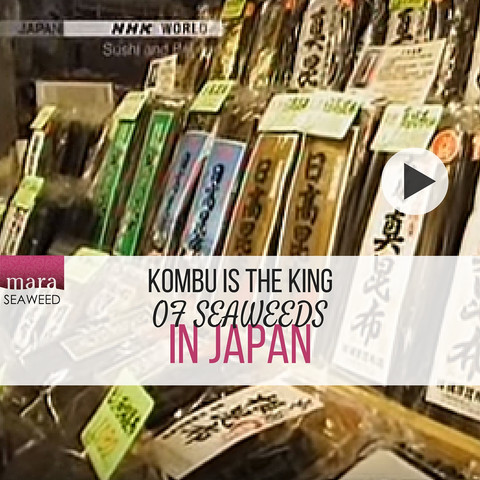
In Japan, where they eat over 50 different kinds of seaweed, kombu (also known as kelp), with its leathery texture and prized umami flavour is considered the king of all the seaweeds.
Whilst kombu is still a relatively recent addition to western diets, the Japanese have been eating this nutritionally dense and flavourful seaweed for a very long time. In fact, the word 'konbu' shows up in Japanese records as far back as early as the third century (1)!
There are a number of different species of kombu, all with varying appearances and uses. The video above focuses on a specific type of kombu called gagome, which is particularly sticky due to a substance it contains called fucoidan. Not only is this seaweed versatile enough to be used to make hundreds of edible products, from curries to caramels, fucoidan has been shown to have anticoagulant and immune boosting effects making it not only delicious, but extremely good for you!
Buy your own local, and sustainable Mara Kombu in our online shop today!
References:
1. Shimamura, N. 2012. Konbu (kelp). [ONLINE] Available at:http://www.tokyofoundation.org/en/topics/japanese-traditional-foods/vol.-21-konbu-kelp.